Motion Sensors, Inc. - For Variable Reluctance (VR), Magneto Resistive,  Hall Effect, Intrinsically  Safe, RF, Digi-Pulse and Custom Magnetic Sensors.  We also offer  Electronics, Preamplifiers, and Wire and Cable Harness Assemblies.

786 Pitts Chapel Rd.
Elizabeth City, NC 27909
Phone: 252-331-2080
Fax: 252-331-1666

info@motionsensors.com


About Us Contact Us Industries FAQ Downloads Employment

Get A
Quote
Technical
Assistance

Search Our Site:


Turbine Speed Sensor

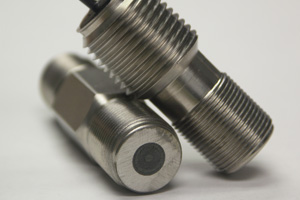
A turbine speed sensor measures the rate of the flow of a substance through a turbine flow meter. The substance can be liquid or gas. As the substance flows through the flow meter, it turns a rotor with turbine blades. The sensor will measure each of these blades to determine the flow rate. The rate is generally measured in either speed (ft/min) or volume (ml/sec). Flow meters are used in a variety of applications. In most cases, attaining accurate flow dimensions is imperative. An inaccurate reading can cause great financial implications or even catastrophic results.

Learn About Our Turbine Speed Sensors

Installation of Sensors

The sensor is typically installed in close proximity to the blades of the turbine flow meter. Depending on the set-up of the flow meter, the sensor can be installed with part of the sensor directly submersed in the flow of the liquid/gas being measured. In other applications, it is completely enclosed in the meter itself. In this case, the sensor takes its measurements through the wall of the pipe or tube. Mostly these pipes or tubes are constructed of aluminum or steel. Whatever the installation process, the sensors all work in the same manner. When the turbine blade turns, the turbine speed sensor creates a pulse that is then measured, determining the flow rate.

Significant Factors

Many factors need to be considered when rating the flow of a liquid or gas through a flow meter. The operating pressure needs to be closely monitored. This is the maximum pressure of the substance that the flow meter can endure. If this pressure is exceeded, the meter will stop functioning properly and the measurements will be inaccurate. The maximum temperature of the substance also needs to be considered. This temperature is determined based on the type of substance being measured and the composition of the meter itself. The lining element needs to be able to withstand the temperature without breaking down. Another important factor, if the given substance is a liquid, is the viscosity of the liquid. The higher the fluid’s viscosity, the greater pressure needs to be applied to force it through the flow meter.

There are two basic mounting options that need to be considered when installing a flow meter. An insertion flow meter is installed directly into the flow path, perpendicular to the pipe. This application requires a threaded access into the pipe for the meter to be inserted. The in-line flow meters are installed parallel to the flow path in a variety of different ways. These meters are threaded between existing flow pipes.

Accuracy

The accuracy of any given flow meter is calibrated with specific variables assigned. The accuracy can be significantly affected if these variables are altered. For example, if the substance being measured is of a greater viscosity or different temperature, the accuracy will be significantly decreased. To ensure that the accuracy is maintained, it is imperative that only the substance that the meter was calibrated for be used. If any alterations are made, be sure to recalibrate the meter is use.

A turbine flow meter is used when an accurate measurement of the rate or volume of flow is imperative. A turbine speed sensor provides an accurate way to analyze if the meter is functioning properly.

   
Copyright © 2007 - Motion Sensors, Inc. - North Carolina (NC) - Phone: 252-331-2080 Fax: 252-331-1666 info@motionsensors.com           Sitemap